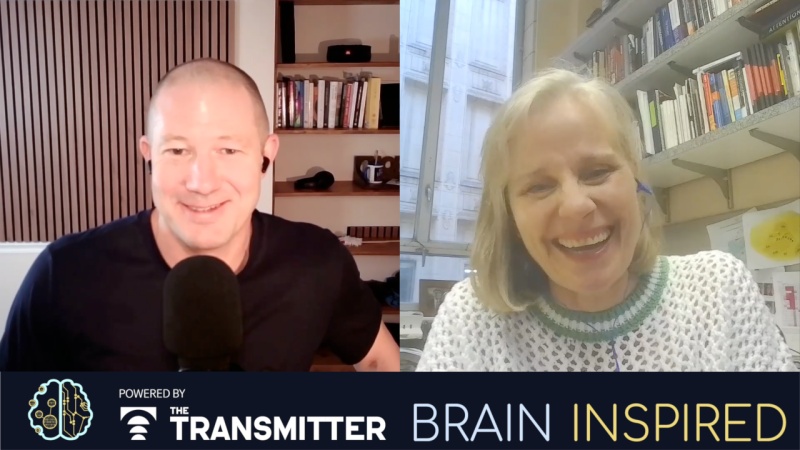
BI 243 Alison Barth: Learning as a Window to Cortex

/
RSS Feed
Alison Barth discovers how different neuron types contribute to cortical function.
Alison Barth discovers how different neuron types contribute to cortical function.
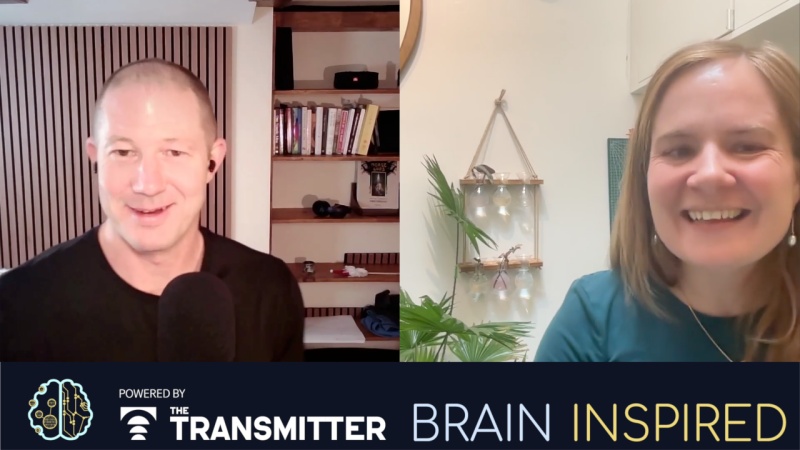
Kathryn Nave explains how a concept called constraint closure may be fundamental for how to understand brains, minds, and cognition.
From single cells to whole organisms, living beings must continuously regenerate themselves and judge what’s important to continue living. AI does not and cannot.
Cristopher Moore on whether computational complexity is relevant for understanding brains, minds, and intelligence.
Nedah Nemati explains how neuroscience methods and the lived experience of the scientists themselves shape how we define the behaviors we seek to explain.